

No.7 October 6th 2021
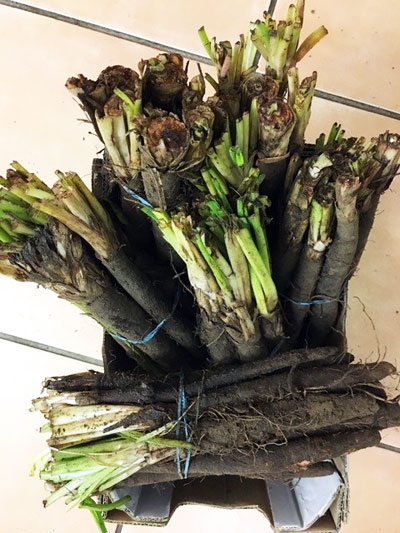 Hello and welcome to this week's newsletter. Lots of fantastic, hearty, autumnal veg in your box today. And if you're not sure what those long brown root crops are... let me introduce you to this week's vegetable: salsify.
It may not look like it but salsify belongs to the aster family (Asteraceae) along with sunflowers, dandelions and daisies. Although not often seen in on veg stalls (or our baskets in the shop), nor the most eye-catching vegetable out there, salsify is really versatile and can make a nice change to parsnips and sprouts.
Salsify hails from the Mediterranean region, where ancient Greeks and Romans harvested the roots for both food and medicine. Like our runner beans from a few weeks ago, at first salsify was grown in the UK for its ornamental purple flower (sometimes known as Purple Goat's Beard) before people began to eat the root. You can also eat the leaves. Your salsify has been grown by certified organic farmers, James Foskett Farms, over in East Anglia.
It is sometimes called 'vegetable oyster' due to its similarity in flavour to the molluscs – or (a more vegan-friendly taste) asparagus.
In terms of uses, salsify can be a replacement for most root crops – especially potatoes. And it's much kinder to your body than most starchy root vegetables – in fact it could be classed as a superfood. It contains lots of iron, vitamin C, thiamin, calcium and phosphorus – and provides a healthy dose of fibre. It also has as much potassium as a banana. In herbal medicine, salsify is used as a cleansing food – helpful for the liver and gall bladder.
Salsify can be cooked in lots of different ways, but make sure you do so within a few days of purchase. It's best done from fresh and it doesn't freeze well.
Prepare your salsify
• Cut off the root end and peel off the outer skin and coating.
• It might start releasing a bit of sap. That's totally normal, just run it under the tap to clean it off.
• Put freshly peeled salsify into a bowl of cold water and lemon juice to stop it browning.
You can steam it and mash it with some vegan butter and salt and pepper. Avoid boiling it as it can end up as a stringy mush. You can also cube it and roast with some oil and garlic. And as with most root vegetables, it is perfect for adding to soups.
Sally
T: 07303 148117 | E: VegBoxes@todalmighty.co.uk